
Craftsman Mower Model 917 Manual: A Comprehensive Guide
This manual provides essential guidance for Craftsman mower Model 917 owners, covering safety, operation, maintenance, and troubleshooting.
It details the low-emission engine specifics and includes parts diagrams for effective repairs and upkeep, ensuring optimal performance.
The Craftsman 917 mower represents a reliable and popular choice for homeowners seeking efficient lawn care. This model, often a garden tractor, blends durability with user-friendly operation, making it a staple in many yards. Understanding its features and capabilities is crucial for maximizing its lifespan and performance. This manual serves as a comprehensive resource, guiding owners through every aspect of the mower’s use, from initial setup to long-term maintenance.
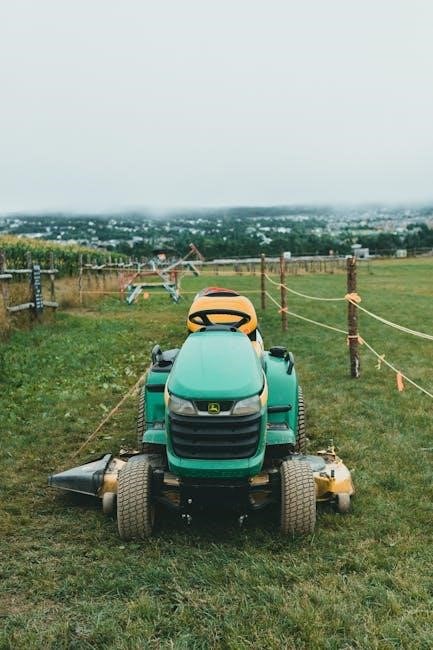
Craftsman, an iconic American brand, has a long history of producing quality tools and equipment. The Model 917 continues this tradition, offering a robust build and dependable engine. Recent developments, like Stanley’s return of manufacturing to the US, reinforce Craftsman’s commitment to quality. Whether you’re a seasoned landscaper or a first-time mower owner, this guide will empower you to confidently operate and maintain your Craftsman 917, ensuring years of reliable service. It’s also similar to sandbox games like Minecraft, offering a creative outlet.
Understanding the Model 917 Specifications
The Craftsman Model 917 typically features a low-emission engine, designed for improved fuel efficiency and reduced environmental impact. Specific engine horsepower varies, but commonly ranges between 15 to 24 HP, providing ample power for various lawn sizes and conditions. Deck sizes generally fall between 42 and 48 inches, influencing the cutting width and overall mowing speed.
Transmission options include manual and automatic, impacting ease of use and maneuverability. The 917 often incorporates features like electric start, cruise control, and adjustable cutting heights for enhanced convenience. Understanding these specifications is vital for selecting the right attachments and performing appropriate maintenance. Referencing the parts diagrams within this manual will aid in identifying specific components and their corresponding part numbers. Like building in a sandbox game, knowing the parts allows for customization and repair. This model, like many Craftsman products, benefits from the brand’s commitment to quality and durability.

Safety First: Operating Instructions
Prioritize safety when using the Craftsman 917; always read the manual’s safety rules and instructions before operation. Understand emergency stop procedures and pre-operation checks.
Pre-Operation Safety Checks
Before each use of your Craftsman Model 917 mower, a thorough safety check is paramount. First, ensure the mowing area is clear of objects and people. Inspect the blade, verifying it’s securely attached and undamaged – never operate with a loose or cracked blade. Check the oil level, adding if necessary, and confirm the air filter is clean for optimal engine performance.
Fuel safety is crucial; inspect the fuel lines for leaks and ensure the fuel cap is tightly sealed. Examine all nuts and bolts, tightening any that are loose. Verify the safety interlock switches are functioning correctly – these prevent accidental starting. Finally, wear appropriate safety gear, including eye protection and sturdy footwear. A pre-operation walkaround can prevent accidents and ensure a safe mowing experience. Remember, a little preparation goes a long way!
Safe Operating Procedures
When operating your Craftsman Model 917 mower, maintain a safe and controlled environment. Always start the mower outdoors in a well-ventilated area. Before engaging the blade, ensure the area is clear of bystanders and pets. Mow across slopes, never up and down, to prevent loss of control. Reduce speed when turning or approaching obstacles.
Never allow anyone to ride on the mower. Keep your hands and feet away from the cutting area at all times. If the mower begins to vibrate abnormally, immediately stop the engine and investigate the cause. Avoid operating the mower in wet or slippery conditions. Be mindful of discharge direction, ensuring it doesn’t point towards people or property. Always disengage the blade and shut off the engine before making any adjustments or repairs. Prioritize safety for a worry-free mowing experience.
Emergency Stop Procedures
In any emergency situation, immediate action is crucial. The Craftsman Model 917 is equipped with multiple safety mechanisms for rapid shutdown. The primary method is the engine stop switch, located conveniently on the control panel – depress this firmly to halt operation instantly. Additionally, a blade engagement lever disengages the cutting blade, reducing risk.
If the operator is thrown from the mower, or if an object becomes lodged in the cutting deck, immediately utilize the engine stop switch. Should the switch fail, disconnect the spark plug wire to prevent accidental restarts. Be aware of the surrounding area before approaching a stopped mower, especially if it’s on a slope. Regularly inspect these safety features to ensure they function correctly. Knowing these procedures can mitigate potential injuries and damage during unforeseen events.
Maintenance and Upkeep
Regular maintenance is vital for the longevity of your Craftsman 917 mower. This section details routine checks, blade care, oil changes, and air filter servicing for peak performance.
Routine Maintenance Schedule
Maintaining your Craftsman Model 917 mower requires a consistent schedule to ensure reliable operation and extend its lifespan. After each use, inspect the mower deck for debris and clean thoroughly. Check the tire pressure and adjust as needed for optimal traction and a level cut.
Every 25 hours of operation, or annually, inspect the engine oil level and add if necessary. Sharpen or replace the blade to maintain a clean cut. Clean or replace the air filter to ensure proper engine airflow. Inspect all bolts and fasteners, tightening any that are loose.
Every 100 hours, or annually, change the engine oil and replace the spark plug. Inspect the drive belt for wear and tear, replacing it if damaged. Lubricate all moving parts, including the wheels and pivot points. A well-maintained mower delivers superior performance and reduces the risk of costly repairs. Following this schedule will keep your Craftsman 917 running smoothly for years to come.
Blade Sharpening and Replacement
Maintaining a sharp blade is crucial for a clean cut and healthy lawn. Regularly inspect the blade for dullness, nicks, or damage. Sharpening can be done with a file or a bench grinder, ensuring the original angle is maintained for balanced cutting. Always disconnect the spark plug wire before working on the blade!
If the blade is severely damaged, bent, or cracked, it must be replaced. Use the correct replacement blade specified for the Craftsman Model 917. When installing a new blade, ensure it’s properly aligned and securely tightened to the correct torque specification. An improperly installed blade can be dangerous.
Always wear gloves and eye protection when handling blades. Balance the blade after sharpening or replacement to prevent vibration and uneven cutting. A balanced and sharp blade improves mowing efficiency and reduces strain on the engine, extending the life of your Craftsman 917 mower.
Engine Oil Checks and Changes
Regular engine oil checks and changes are vital for the longevity of your Craftsman Model 917’s low-emission engine. Check the oil level before each use, ensuring it falls within the ‘full’ range on the dipstick. Low oil levels can cause significant engine damage.
Change the oil after the first 25 hours of operation, and then every 50 hours or annually, whichever comes first. Use the oil type and weight recommended in the owner’s manual – typically a 10W-30 oil formulated for small engines. Always change the oil when the engine is warm, as this allows for better drainage.

Dispose of used oil responsibly at a designated recycling center. Ensure the oil drain plug is properly tightened after changing the oil to prevent leaks. Maintaining proper oil levels and regular changes will ensure smooth operation and extend the life of your Craftsman mower’s engine.
Air Filter Maintenance
Maintaining a clean air filter is crucial for optimal engine performance in your Craftsman Model 917 mower. A dirty air filter restricts airflow, leading to reduced power, increased fuel consumption, and potential engine damage. Inspect the air filter before each use, and clean or replace it as needed.
For foam filters, wash them in warm, soapy water, rinse thoroughly, and allow them to dry completely before re-oiling lightly with air filter oil. Paper filters should be tapped gently to remove loose debris; avoid using compressed air, as it can damage the filter media.
Replace the air filter annually, or more frequently in dusty conditions. A clean air filter ensures proper combustion and protects the engine from abrasive particles. Regular air filter maintenance contributes significantly to the overall reliability and longevity of your Craftsman mower’s engine.

Troubleshooting Common Issues
This section addresses frequent problems with the Craftsman 917 mower, including engine starting failures, cutting inconsistencies, and drive system malfunctions, offering practical solutions for quick repairs.

Engine Starting Problems
Difficulty starting your Craftsman 917 mower can stem from several causes. First, ensure the fuel tank isn’t empty and the fuel shut-off valve is open. A clogged air filter restricts airflow, hindering ignition; regular cleaning or replacement is crucial.
Check the spark plug for fouling or damage – a faulty spark plug won’t ignite the fuel-air mixture. Examine the safety interlock switches (seat switch, blade engagement switch) as they must be engaged for the engine to start.
If the engine cranks but doesn’t fire, the problem might lie within the ignition system. Low battery charge can also prevent proper starting, especially in colder weather.
For a flooded engine, avoid repeated starting attempts; instead, allow it to air out. Consult the manual’s troubleshooting section for specific diagnostic steps and potential solutions related to the low-emission engine technology.
Cutting Issues and Solutions
Uneven cutting with your Craftsman 917 mower often indicates dull or damaged blades. Sharpening or replacing the blades is the primary solution, ensuring a clean and consistent cut. Check for debris buildup under the deck, which can interfere with airflow and cutting performance; thoroughly clean the area before operation.
Incorrect deck height adjustment can also lead to scalping or uncut grass. Adjust the cutting height to suit the lawn conditions.
If the mower leaves streaks of uncut grass, the blades may be improperly installed or bent. Inspect the blade installation and alignment.
A clogged discharge chute restricts grass flow, causing buildup and uneven cutting. Clear the chute regularly during use. For persistent issues, consult the manual’s troubleshooting guide for specific recommendations related to the mower’s cutting system and engine performance.
Drive System Troubleshooting
If your Craftsman 917’s drive system isn’t engaging, first check the drive belt for wear or breakage. A damaged belt will prevent power from reaching the wheels. Ensure the belt is properly routed according to the parts diagram in the manual.
A faulty drive cable can also cause disengagement; inspect the cable for kinks, breaks, or loose connections. Lubricate the cable to ensure smooth operation.
If the mower moves erratically or lacks power, the drive pulley may be damaged or worn. Examine the pulley for cracks or slippage.
Low engine oil levels can sometimes affect drive system performance. Verify the oil level and add oil as needed. For complex issues, consult the detailed troubleshooting section of the owner’s manual, referencing specific part numbers for replacement components and diagrams for proper repair procedures.

Parts and Diagrams
Locate detailed parts diagrams for the Craftsman 917 mower within the manual, aiding in identifying components using precise part numbers. This facilitates sourcing replacements efficiently.
Locating Parts Diagrams for Model 917
Accessing the correct parts diagrams is crucial for maintaining your Craftsman 917 mower. The owner’s manual itself contains exploded views illustrating the assembly of various mower components. These diagrams are typically organized by section – engine, deck, drive system, and so on – making it easier to pinpoint the specific part you need to identify.
Beyond the physical manual, several online resources offer digital versions of these diagrams. Websites like The Manual Library and others specializing in outdoor power equipment parts often host downloadable PDFs. When searching online, be sure to specify the full model number (917.xxxxxx) to ensure you retrieve diagrams relevant to your specific configuration.
Pay close attention to the diagram’s revision date, as parts may have been updated over time. Understanding how to interpret these diagrams – recognizing part numbers, identifying relationships between components – will significantly streamline the repair process and ensure you order the correct replacement parts.
Understanding Parts Numbers
Craftsman Model 917 parts are identified by unique numbers, essential for accurate ordering and ensuring compatibility. These numbers, found within the parts diagrams, aren’t simply random; they’re a coded system providing information about the part itself. Typically, a Craftsman part number consists of several digits and sometimes letters, indicating the component type, size, and specific revision.
When sourcing replacement parts, always use the complete part number as listed in the diagram. Avoid relying on descriptions alone, as similar-looking parts can have different dimensions or specifications. Online parts retailers and local dealers utilize these numbers to quickly locate the correct item in their inventory.
Furthermore, be aware that part numbers can change due to manufacturer updates or discontinued items. If a number is obsolete, the parts supplier may offer a compatible replacement – always confirm this substitution before finalizing your purchase to guarantee a proper fit and function.
Sourcing Replacement Parts
Finding replacement parts for your Craftsman 917 mower is readily achievable through several avenues. Authorized Craftsman dealers, both brick-and-mortar stores and online retailers, are primary sources, guaranteeing genuine parts and expert assistance. Websites specializing in lawn mower parts often carry a comprehensive inventory, allowing for convenient online ordering and comparison shopping.
When purchasing, always have your mower’s model number (917) and the specific part number readily available. Utilizing the part number ensures you receive the correct component. Be cautious of generic or non-OEM (Original Equipment Manufacturer) parts, as quality and fit may vary.
Exploring online marketplaces can sometimes yield cost savings, but verify seller reputation and return policies. Consider checking local small engine repair shops; they frequently stock common replacement parts and can offer valuable advice. Prioritize reputable suppliers to ensure part quality and avoid potential issues.
Engine Specifics: Low Emission Engine
The Model 917 features a low-emission engine, differing from older designs. Specialized maintenance is crucial for optimal performance and adherence to environmental standards, as outlined herein.
Understanding Low Emission Engine Technology

Craftsman’s low-emission engine in the Model 917 represents a significant advancement in small engine technology, designed to reduce harmful pollutants released into the atmosphere. This engine utilizes optimized combustion processes and advanced catalytic systems to minimize emissions while maintaining reliable performance. Unlike traditional engines, these low-emission models often incorporate features like improved fuel vaporization and precise air-fuel mixture control.
These technologies contribute to cleaner air quality and compliance with stringent environmental regulations. However, this enhanced technology also necessitates specific maintenance procedures to ensure continued optimal operation. Understanding these differences is vital for owners, as standard maintenance practices for older engines may not be sufficient or appropriate for the low-emission system. Proper care extends the engine’s lifespan and preserves its environmental benefits. Regular inspections and adherence to the recommended maintenance schedule are paramount for sustained performance and reduced emissions.
Specific Maintenance for Low Emission Engines
Maintaining the low-emission engine in your Craftsman Model 917 requires attention to detail beyond standard procedures. Regularly check and replace the spark plug, ensuring it meets the engine’s specifications, as this directly impacts combustion efficiency and emissions. The air filter demands frequent inspection and cleaning, or replacement as needed, to maintain optimal airflow. Fuel quality is crucial; use fresh fuel with the recommended octane rating and consider a fuel stabilizer during storage.
Pay close attention to the exhaust system, inspecting for leaks or damage that could compromise emissions control. Oil changes should be performed according to the schedule outlined in the manual, using the specified oil type. Avoid using fuel additives not specifically approved for low-emission engines, as they can damage catalytic converters or other components. Following these specific maintenance steps will ensure your engine operates efficiently, minimizes environmental impact, and prolongs its service life.