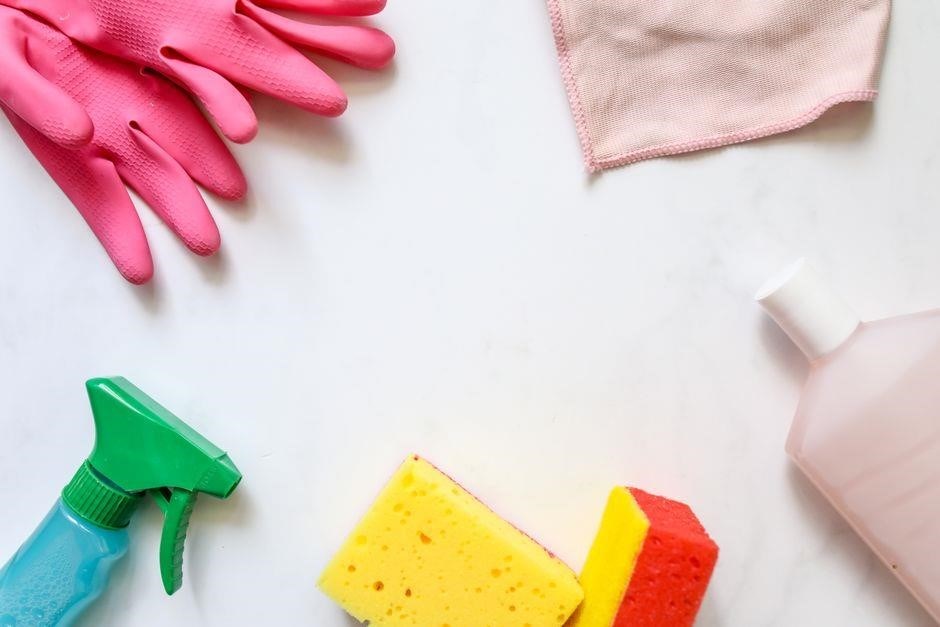
General Cleaning Supplies
Essential items: all‑purpose cleaner, disinfectant, microfiber cloths, terry towels, paper towels, sponges, scrub brushes, broom, dustpan, mop, bucket, vacuum, trash bags, liners, and a cleaning caddy for organization. and a dedicated storage bin. for access. now!!!!!
All-Purpose & Disinfectant Cleaners
All‑purpose cleaners are the backbone of any cleaning arsenal, offering versatile solutions for surfaces ranging from countertops to floors. They typically combine surfactants, solvents, and mild acids to lift grime while leaving a neutral residue. When selecting an all‑purpose product, look for a pH‑balanced formula that won’t damage wood, laminate, or tile. Many brands now incorporate plant‑based ingredients and fragrance‑free options for eco‑conscious households.
Disinfectant cleaners, on the other hand, are engineered to neutralize pathogens on contact. They contain active agents such as quaternary ammonium compounds, hydrogen peroxide, or alcohol. The EPA’s “List of Disinfectants” specifies the required log reduction for each active ingredient, ensuring that the product meets health‑care standards. For routine home use, a 5‑minute contact time is sufficient for most disinfectants, but always follow the label for optimal results.
When choosing between the two, consider the cleaning scenario: use an all‑purpose cleaner for routine dusting and wiping, then switch to a disinfectant for high‑touch areas like doorknobs, light switches, and bathroom fixtures. Many manufacturers now offer dual‑action formulas that combine cleaning power with efficacy, e.g reducing need for multiple bottles.
Microfiber Cloths & Sponges
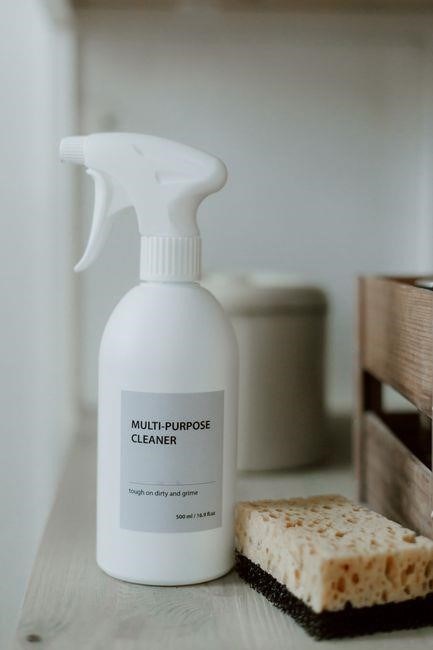
Microfiber cloths and sponges are engineered with ultra‑fine fibers that trap dirt, dust, and bacteria more effectively than cotton or paper. Their dense weave creates a static charge, attracting airborne particles and preventing re‑settling. A single microfiber wipe can remove a full layer of grime without extra chemicals, reducing exposure and saving time. Rinse cloths in hot water and air‑dry between uses; avoid machine drying to preserve fibers. For tough stains, a gentle scrubbing motion with a damp microfiber pad lifts baked‑on residue from stovetops, countertops, and delicate surfaces like glass or stainless steel. Dual‑layer sponges—soft absorbent core with slightly abrasive side—are ideal for tile, grout, and bathroom fixtures. Microfiber products are reusable, washable up to 30 times, and eco‑friendly, cutting down on disposable paper towels. They also reduce water usage, as a single cloth can be reused multiple times before washing. Store cloths in a dry, well‑ventilated area to prevent mold. Avoid bleach or fabric softener, which degrade fibers. In summary, microfiber cloths and sponges combine superior cleaning power, reusability, and environmental benefits, making them essential for modern cleaning. Their durability also means fewer replacements, saving money over time.
Paper Towels & Trash Bags
Paper towels and trash bags are essential for efficient cleaning. Paper towels absorb spills, wipe surfaces, and dry without scratching. A 100‑gram towel balances softness and strength, while a 150‑gram variant handles heavy kitchen or bathroom spills. Textured towels grip better, removing grime without damage. Store them dry and well‑ventilated to prevent mold. Use a trash bag to contain odors and protect the environment.

Trash bags come in small (2‑3 gal), medium (4‑5 gal), and large (6‑7 gal) sizes. Material thickness, measured in mils, determines durability; a 12‑mil bag holds heavier items without tearing. For kitchen use, a 15‑mil bag with a reinforced bottom holds food waste and avoids leaks. In bathrooms, a 10‑mil bag with a smooth finish stops odors. Biodegradable or compostable bags reduce landfill burden. Fill a bag carefully to maintain integrity. Secure it with a tie or strap for easy handling. Together, paper towels and trash bags streamline cleaning, promote hygiene, and support sustainability.
Fold paper towels to make a thicker pad for heavy spills and replace them after each use to avoid cross‑contamination. Tie trash bags securely, place them in a dedicated bin, and choose bags with a reinforced bottom for wet dishes or cleaning rags. Disposal keeps the area odor‑free reduces environmental impact. !!!
Bathroom Cleaning Supplies
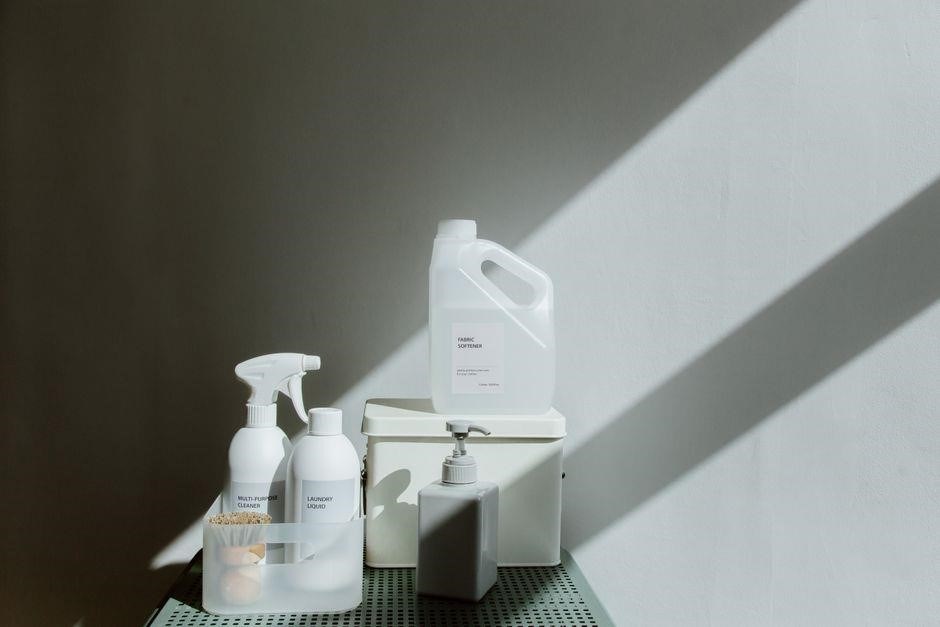
Essential items: toilet bowl cleaner, brush, disinfectant wipes, shower/tub cleaner, tile & grout cleaner, glass shower door cleaner, surface cleaner, hard‑water remover, and air freshener for a spotless, odor‑free bathroom .
Toilet & Fixture Cleaners
Essential toilet and fixture cleaning supplies include a powerful toilet bowl cleaner, a sturdy toilet brush, a disinfectant wipe set for quick touch‑ups, a specialized shower and tub cleaner for soap scum, a tile and grout cleaner to tackle mineral buildup, a glass shower door cleaner for streak‑free glass, a versatile bathroom surface cleaner for sinks and counters, a hard‑water stain remover for mineral deposits, and an air freshener or deodorizer to leave a pleasant scent. These items form a comprehensive kit for maintaining a hygienic, sparkling bathroom environment. Additional supplies such as a dedicated toilet brush holder, a small bucket for rinsing, and a set of microfiber cloths for drying surfaces enhance efficiency and cleanliness. Use a timer to ensure each area receives contact time for disinfectants now.
Glass & Stain Removal
For pristine glass surfaces and stubborn stains, a dedicated glass cleaner, a hard‑water stain remover, a streak‑free spray, a microfiber wipe set, a silicone‑free squeegee, a vinegar‑based solution, a baking soda paste, a specialized tile and grout cleaner, a lime‑scale remover, a glass‑shower door kit, a non‑abrasive scrubbing pad, a protective spray for chrome fixtures, a microfiber towel for drying, a spray bottle for homemade solutions, a funnel for refilling, a label maker for organization, and a cleaning caddy for mobility. These items ensure thorough removal of grime, water spots, and mineral deposits while preserving surface integrity. Use a timer to allow contact time, then rinse and dry. Regular maintenance prevents buildup and extends fixture life.
When using these cleaners, read safety data, wear gloves, and ventilate. Store glass cleaner in a cool, dry place away from sunlight to avoid degradation. For hard‑water stains, apply remover, let sit 5–10 min, scrub, rinse, then wipe with microfiber cloth. For tile grout, a baking soda paste left 15 min then scrub. Keep a labeled spray bottle in a cleaning caddy for quick access. Check expiration dates regularly and replace supplies as needed. Keep a small bucket of fresh water handy for rinsing after each use, and a towel daily.
Kitchen Cleaning Supplies
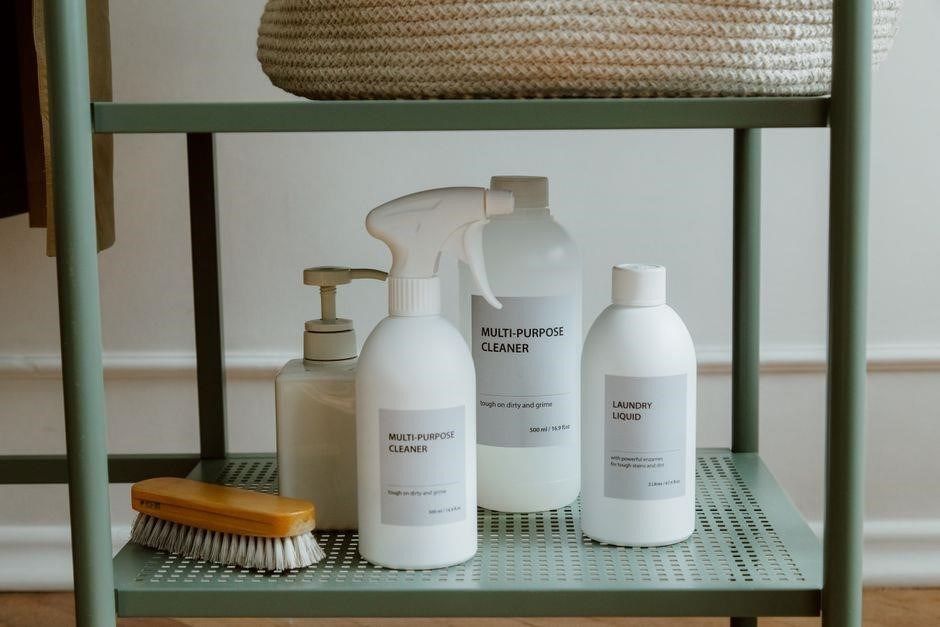
Essential kitchen supplies: degreaser, stainless steel cleaner, oven cleaner, dish soap, dishwasher detergent, sink & countertop cleaner, refrigerator cleaner, trash compactor deodorizer, spray bottles, funnel, labels, and a caddy for organization. Keep them in a labeled caddy.!!
Surface & Appliance Cleaners
For a thorough kitchen cleanse, a curated list of surface and appliance cleaners is essential. A high‑strength degreaser tackles stubborn oil on stovetops, while a stainless‑steel polish restores shine to appliances without scratches. An oven cleaner penetrates baked‑on residue, making the interior gleam. Dish soap and dishwasher detergent work together to remove grease and food particles. A dedicated sink and countertop cleaner lifts grime from surfaces, leaving a streak‑free finish. Refrigerator cleaner neutralizes odors and removes stains. A trash compactor deodorizer keeps the waste area fresh. Keep liquids in labeled spray bottles and use a funnel to refill safely. A sturdy caddy holds these cleaners, ensuring easy transport and quick access. When selecting a degreaser, choose a pH‑balanced product. For stainless steel, opt for one with natural oils. Dish soap should be biodegradable. Dishwasher detergent should contain enzymes. Sink cleaner should be non‑abrasive. Refrigerator cleaner should include a mild disinfectant. Trash compactor deodorizer should be charcoal based. Store all cleaners daily in a cool, dry place away from sunlight. Use a spray bottle with a fine mist for even coverage. Label each bottle with the product name and opening date. A caddy with compartments keeps items organized and prevents spills and regularly. Wear gloves to protect skin from harsh chemicals. After use, rinse surfaces with water and dry with a microfiber towel to prevent streaks.
Degreasers & Dish Detergents
When tackling greasy kitchen surfaces, a dedicated degreaser is indispensable. Choose a pH‑balanced formula that dissolves oil without damaging stainless‑steel or enamel. Pair it with a gentle dish soap for hand‑washing dishes; the soap should contain enzymes to break down protein‑based stains. For the dishwasher, a high‑efficiency detergent with a pre‑wash booster ensures that even stubborn food particles are removed. Store each product in a labeled spray bottle, using a funnel for refills to avoid spills. Keep the caddy organized: place the degreaser in the top compartment, the dish soap in the middle, and the dishwasher detergent in the bottom. For dish soap, use a small amount on a sponge, lather, and rinse thoroughly. Dishwasher detergent should be measured according to the manufacturer’s instructions; excess detergent can leave residue. After use, rinse the spray bottles with water and dry them to prevent mold growth. Wear disposable gloves during handling to protect skin from chemical irritation. Store all cleaning supplies in a cool, dry place away from direct sunlight. Regularly check expiration dates and replace expired products to maintain cleaning efficacy. A well‑maintained cleaning routine with the right degreaser and detergents keeps kitchens hygienic and sparkling.
Refrigerator & Oven Cleaners
For refrigerators, use a mild, pH‑neutral cleaner that removes grease and neutralizes odors without damaging plastic or metal surfaces. A mix of warm water and baking soda or a commercial fridge cleaner works well; apply all shelves, drawers, and door seals. For ovens, choose a high‑temperature, non‑abrasive cleaner that cuts through baked‑on grease and food residue. Spray the interior, let it sit for the recommended time, then wipe with a damp microfiber cloth. For self‑cleaning ovens, follow the manufacturer’s instructions and use a protective glove. Store both cleaners in a labeled spray bottle, using a funnel for refills. Keep the caddy organized: place the fridge cleaner in the top compartment, the oven cleaner in the middle, and a small bottle of dish soap for quick touch‑ups in the bottom. After cleaning, rinse the surfaces with clean water and dry with a clean towel. Dispose of any leftover liquid in a sealed container. Use a small brush to clean vents and small crevices. After cleaning, reapply a light coat of food‑safe spray to protect surfaces. Maintain routine. Keep them dry! Now. Check expiration dates regularly and replace expired products to maintain cleaning efficacy. When cleaning the refrigerator, check for expired items and remove them. Use safely!
Floor Cleaning Supplies
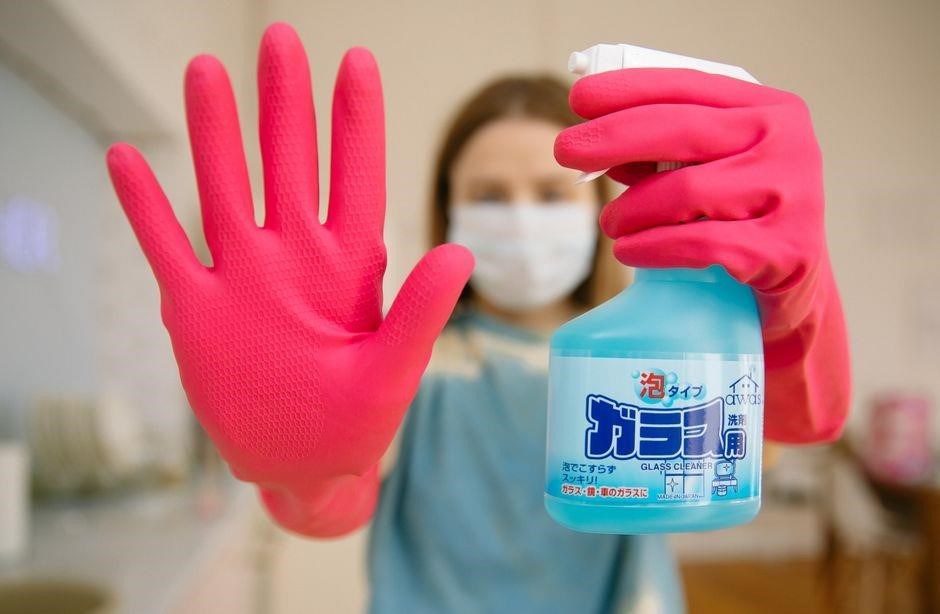
Floor supplies: hardwood & laminate cleaners, tile & grout cleaner, carpet spot remover, floor polish or wax. Use mop, bucket, microfiber cloth. Store labeled products for quick access. Regular cleaning prolongs floor life. daily!
Hardwood & Laminate Cleaners
Choosing the right cleaner for hardwood and laminate floors is essential to preserve finish and avoid damage. A pH‑neutral, low‑sudsing formula removes dust, oils, and light stains without residue. Commercial hardwood cleaners contain mild surfactants and a small amount of alcohol or vinegar to cut grime while maintaining the sealant. For laminate, a gentle, water‑based cleaner that does not saturate seams is recommended; excessive moisture can swell or warp. Look for labels indicating “no ammonia,” “no bleach,” and “no harsh chemicals.”
Store cleaners in a cool, dry place away from direct sunlight. Label containers with product name and purchase date. Use a microfiber mop or soft‑bristle brush; avoid steel wool or abrasive pads that can scratch. After cleaning, dry the floor with a clean, dry microfiber cloth to prevent streaks and water spots. For stubborn stains, a diluted vinegar‑water solution (1:10) can be sprayed and wiped. Test any new cleaner on a hidden corner first to ensure it does not alter the finish.
Regular cleaning, at least once a week, keeps dust from embedding into pores, extending life and maintaining a bright, polished appearance. For high‑traffic areas, a floor polish or wax adds a protective layer but apply sparingly to avoid buildup. Combine the right cleaner, proper tools, and consistent care to keep hardwood and laminate floors beautiful and durable. Opt for eco‑friendly, certified products that meet low‑toxicity standards. When in doubt, consult manufacturer recommendations or a professional cleaning service. Enjoy spotless floors daily!!
Carpet, Tile & Grout Cleaners
For effective maintenance of carpet, tile, and grout surfaces, a specialized cleaning regimen is essential. A dedicated carpet cleaner or spot remover should be chosen based on the material—synthetic fibers benefit from a pH‑neutral formula, while natural fibers tolerate mild acidic solutions. For tile and grout, a dual‑action cleaner that tackles both surface grime and embedded stains is recommended. Commercial tile cleaners often contain surfactants and a small amount of bleach or hydrogen peroxide to brighten grout lines, while ensuring the pH remains below 7 to protect grout integrity. When applying, use a microfiber mop or a soft‑bristle brush for tile, and a carpet brush or vacuum attachment for carpets. After scrubbing, rinse with a clean, damp cloth to remove residue. For stubborn stains, a paste of baking soda and water can be applied, left to sit for 15–20 minutes, then brushed away. Regular weekly cleaning prevents buildup, while monthly deep cleans with a steam cleaner or a professional grout sealant can extend surface life. Always test a small inconspicuous area first to confirm compatibility. Proper drying is critical—use a dry microfiber towel or allow ample airflow to avoid mold growth. By combining the right products, tools, and techniques, you maintain pristine, hygienic floors that last. Keep supplies tidy! O
Specialty Supplies & PPE
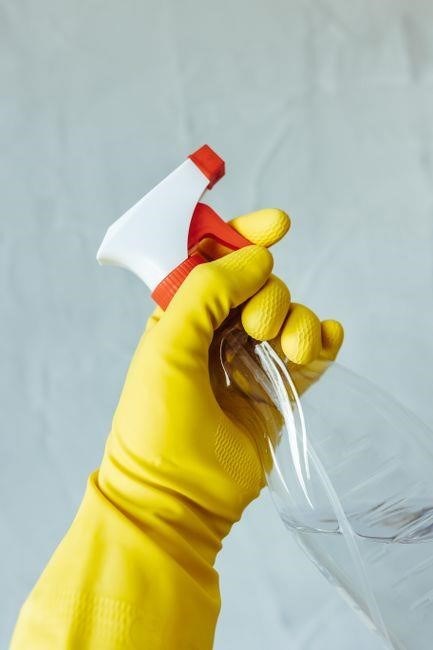
Specialty supplies: stainless steel polish, wood polish, granite cleaner, screen cleaner, silver polish, brass cleaner, rust remover. PPE: disposable gloves, face masks, safety goggles, apron or smock. Spray bottles, funnels, labels, caddy, ladder, checklists. and more
Furniture & Metal Polishing
When tackling furniture and metal surfaces, a focused selection of polishing agents is essential. Begin with a high‑quality stainless‑steel polish to protect and brighten appliances and fixtures; its wax‑based formula creates a durable, water‑repellent layer. For wooden furniture, choose a satin‑finish polish that nourishes the grain while leaving a subtle sheen—avoid heavy oils that attract dust. Leather items benefit from a dedicated cleaner and conditioner; these products soften fibers and prevent cracking. Silver polish removes tarnish from jewelry and flatware without scratching. Brass or copper cleaners, formulated with citrus or vinegar‑based solutions, dissolve oxidation and restore luster. A rust remover, containing phosphoric or oxalic acid, is indispensable for corroded fixtures; apply in a well‑ventilated area and rinse thoroughly. Use microfiber or terry cloths for application—these materials hold polish without lint. Always perform a spot test on a hidden area to ensure compatibility. Store all polishing supplies in a labeled caddy or drawer; keep them out of reach of children and pets. For large surfaces, a spray bottle can dilute polish for even coverage, and a small funnel aids refilling containers. With these tools, furniture and metal items can maintain a showroom shine throughout the year. Regular use of these polishes not only preserves the aesthetic but also extends the lifespan of the materials, saving money over time. By applying polish at regular intervals, you can avoid the need for costly repairs or replacements, ensuring a pristine look year after year. Additionally, a clean surface reflects professionalism and attention to detail, boosting overall satisfaction. Finally, always read the label for application instructions to achieve the best results. This completes the polishing routine. Keep it tidy. Stay safe. Enjoy. 🙂
PPE: Gloves, Masks & Goggles
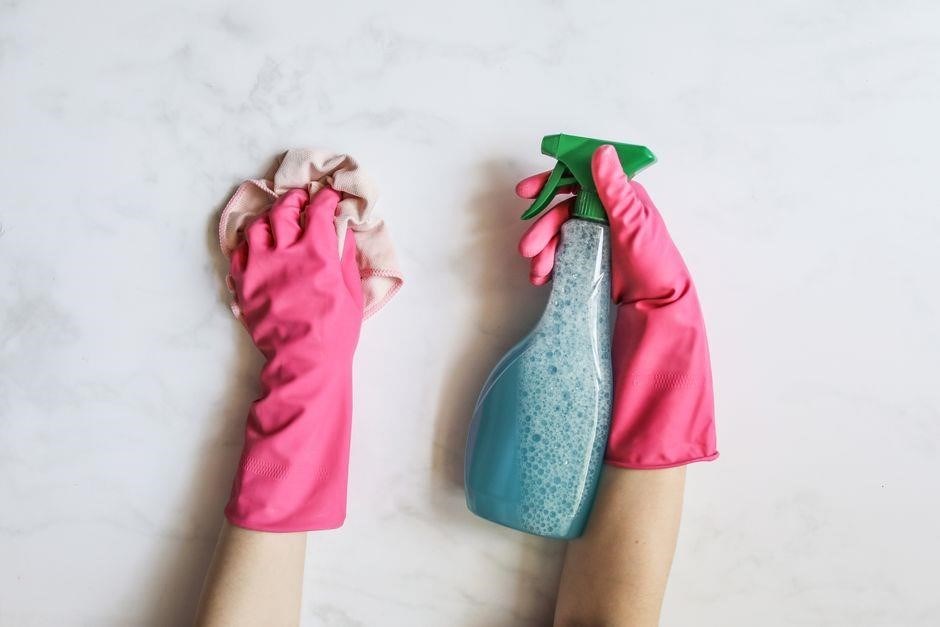
Personal protective equipment is essential for safe cleaning. Disposable nitrile or latex gloves shield hands from harsh chemicals and reduce cross‑contamination. For tasks involving aerosolized disinfectants or water‑based solutions, a full‑sleeve glove set offers extra protection. When working with splashes or chemicals that can irritate the eyes, safety goggles or a face shield provides a barrier against droplets. A clean apron or disposable cleaning smock protects clothing and reduces the risk of contaminant spread. Store all PPE in a labeled bin near the cleaning caddy for quick access. Before each session, inspect gloves for tears, ensure masks fit snugly, and verify that goggles seal properly. Replace gloves after each use or when visibly soiled. Dispose of used masks and gloves in a designated waste container to prevent re‑exposure. Reusable goggles should be rinsed with water and wiped with a disinfectant wipe before storage. Follow the manufacturer’s instructions for any PPE that requires disinfection or sterilization. Proper PPE use not only protects the cleaner but also promotes confidence and compliance with health regulations. Remember to keep a spare set of gloves and masks on hand for emergencies. Use a dedicated storage bin for PPE, label each item, and replace expired gear. Train staff on correct donning and doffing. Keep a spare set in a caddy for access during shifts. Now