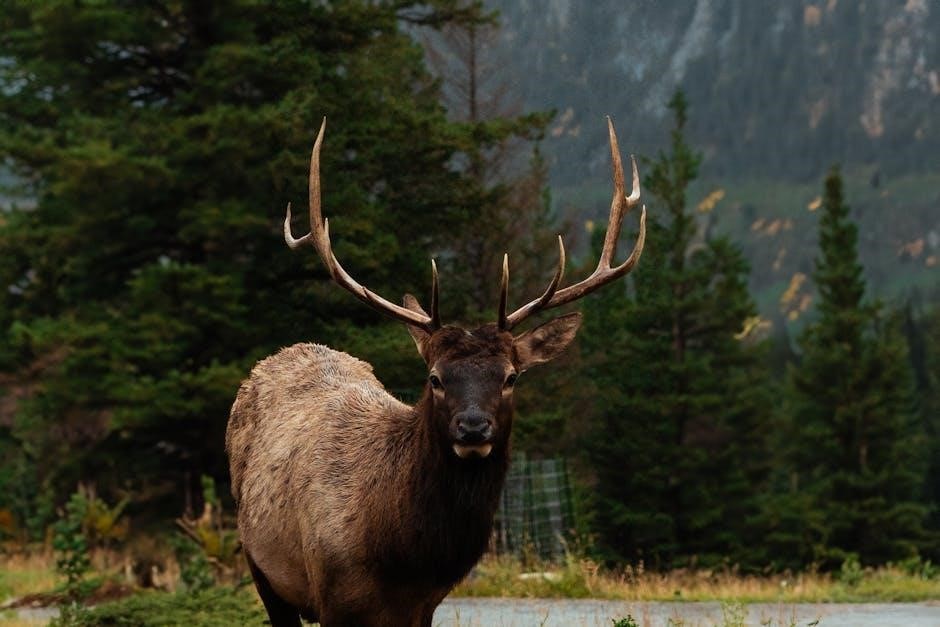
Embarking on an elk hunt is a dream for many, but the costs can seem daunting.
However, affordable guided elk hunts are attainable with careful planning and research.
These hunts offer a balance between cost and the increased chances of success provided by experienced guides.
Western states like Idaho, Montana, and Wyoming present opportunities for budget-conscious hunters,
with prices generally ranging from $4,000 to $12,000 depending on the hunt type and inclusions.
What Defines an “Affordable” Elk Hunt?
Defining “affordable” is subjective, varying based on hunter expectations and financial capabilities. Generally, an affordable guided elk hunt falls within the $5,000 to $7,000 range for a basic rifle hunt in states like Idaho.
However, this excludes travel and personal gear. Cost-effectiveness hinges on balancing price with the quality of the experience, success rates, and inclusions like meals and lodging.
A truly affordable hunt minimizes unnecessary expenses, potentially opting for less popular units or off-peak seasons.
Considering the total cost – tags, licenses, outfitter fees, transportation, and equipment – is crucial. An affordable hunt doesn’t necessarily mean sacrificing quality, but rather maximizing value.
The Appeal of Guided Hunts for Elk
Guided elk hunts significantly increase the likelihood of success, particularly for non-residents unfamiliar with the terrain and elk behavior. Experienced guides possess invaluable knowledge of elk habitats, migration patterns, and effective hunting strategies. This expertise saves time and effort, maximizing hunting opportunities.
Furthermore, guided hunts offer safety and logistical support, especially in remote wilderness areas. Outfitters handle permits, licenses, and often provide meals and lodging. For those starting out or lacking specialized gear, a guided hunt streamlines the process, making the experience more accessible and enjoyable.
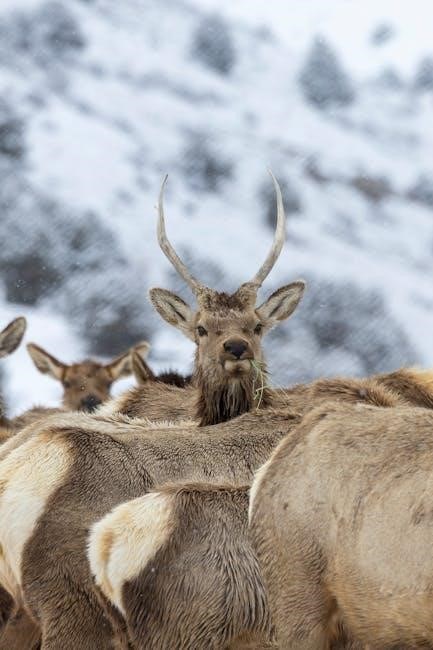
Understanding the Costs Involved
Elk hunt expenses vary widely, encompassing tags, outfitter fees, transportation, accommodation, equipment, and unexpected costs. Budgeting accurately is crucial for an affordable and successful hunt.
Expect total costs to range from $4,000 to $12,000+, depending on the state, hunt type, and level of service included.
Elk Tag and License Fees (2026 Estimates)
Elk tag and license fees represent a significant portion of the overall hunt cost, varying considerably by state and residency status. In Idaho, non-resident archery elk tags are projected to cost $913 in 2026, a substantial increase from the $586 in 2020.
Other states have different fee structures; some offer over-the-counter tags, while others require participation in a draw system. Antlerless elk tags generally cost less, potentially around half the price of a bull tag, offering a more budget-friendly option for hunters. Always verify current fees with the respective state wildlife agency.
Outfitter and Guide Fees: The Core Expense
Outfitter and guide fees typically constitute the largest expense in a guided elk hunt, ranging from $5,000 to $12,000 for a standard rifle hunt in 2026. These fees cover the guide’s expertise, access to private land, and logistical support.
The price varies based on the hunt’s duration, remoteness, and the level of service provided. Some outfitters offer fully-inclusive packages, while others charge extra for meals or transportation. Carefully compare packages and understand what’s included before making a decision.
Transportation Costs: Getting to the Hunt
Transportation represents a significant portion of the overall cost, encompassing travel to and from the hunting location. Hunters may incur expenses for flights, vehicle rentals, or fuel for personal vehicles. Expect to budget between $500 and $1,500 for transportation, depending on distance and mode of travel.
Remote hunts often require additional transportation, such as four-wheel drive vehicles or even horseback riding, potentially adding to the cost. Factor in airport transfers and local travel to the hunting grounds when estimating your budget.
Accommodation and Meals During Your Hunt
Accommodation and meals are typically included in guided hunt packages, but the quality varies significantly. Expect options ranging from basic backcountry camps to comfortable lodges. Budget approximately $100 to $300 per day for these necessities if not included, or for supplemental meals.
Outfitter packages often cover all meals, including hearty breakfasts, lunches packed for the field, and substantial dinners. Consider dietary restrictions and communicate them to the outfitter beforehand to ensure adequate provisions are available throughout your hunt.
Equipment Costs: What You’ll Need
Essential elk hunting equipment can represent a substantial upfront investment. Expect to spend $1,000 to $5,000, depending on existing gear and desired quality. Core items include a reliable rifle or bow, appropriate clothing for varying conditions, and sturdy hiking boots.
Binoculars and a rangefinder are crucial for spotting and accurately judging distances. Don’t forget a quality pack for carrying gear, and potentially, meat. Renting some equipment can reduce initial costs, especially if you’re a first-time elk hunter.
Additional Expenses: Licenses, Permits, and Taxes
Beyond the core hunt costs, several additional expenses require budgeting. Elk tags and licenses vary significantly by state, with Idaho currently offering archery tags around $586, but projected to rise to $913 in 2026. Permits for specific hunting units may also be necessary, adding to the total cost.
Don’t overlook state and federal taxes applicable to the hunt package and any harvested game. Consider potential fees for drawing applications, especially in states with limited-entry systems.
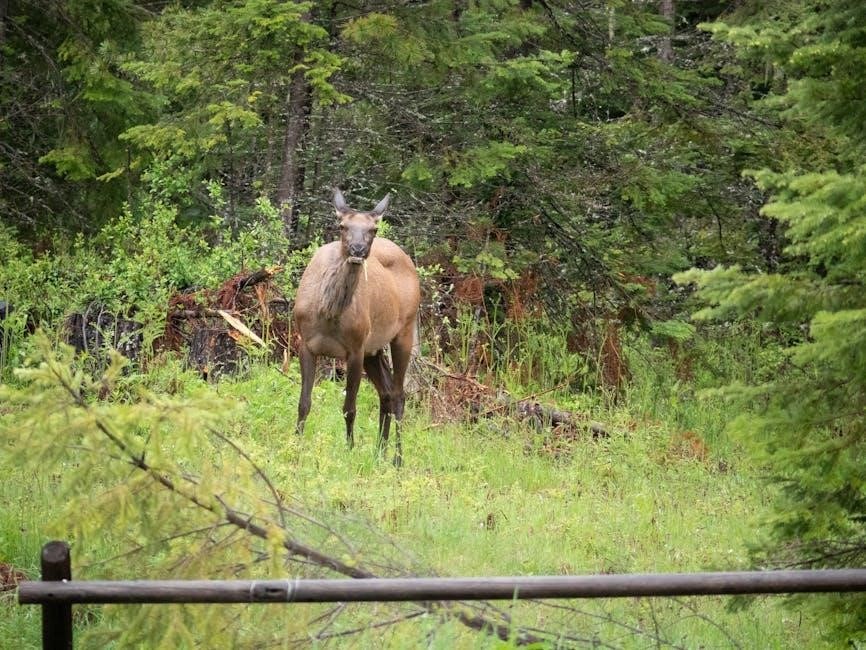
States Offering More Affordable Options
Idaho historically provides lower-priced elk hunts, while Montana balances cost with quality. Wyoming and Colorado offer potential value, though competition can be fierce.
New Mexico’s draw system impacts pricing, and DIY options exist across these Western states.
Idaho: Historically Lower-Priced Opportunities
Idaho has long been recognized as a prime destination for non-resident elk hunters seeking affordability. Historically, it offered significantly lower license and tag fees compared to other Western states.
In 2020, an archery elk license/tag cost just $586 for non-residents, a remarkably accessible price point. However, recent increases mean that in 2026, the same opportunity will cost $913. Despite this rise, Idaho remains competitive.
The state’s vast public lands and over-the-counter tag availability contribute to its appeal, making it easier to plan and execute a hunt without extensive draw odds.
Montana: Balancing Cost and Quality
Montana presents a compelling middle ground for elk hunters prioritizing both affordability and a quality hunting experience. While not always the cheapest option, it consistently delivers good value for the money invested.
Expect to budget around $6,000 to $9,000 for a guided archery hunt, encompassing tag fees, travel, meals, and potential gear upgrades. A significant portion of the cost is often attributed to travel and associated expenses.
Montana’s diverse terrain and healthy elk populations ensure challenging yet rewarding hunts, making it a popular choice for those seeking a balance between cost and hunting success.
Wyoming: Potential for Value
Wyoming often emerges as a strong contender for hunters seeking a budget-conscious guided elk hunt, particularly for those willing to be flexible with timing and location. Opportunities for value are frequently found, though careful research is crucial.
A budget-conscious hunt in Wyoming can range from $4,000 to $6,000, making it one of the more accessible options. This assumes a degree of DIY preparation to minimize gear costs and a willingness to hunt in less-pressured areas.
Wyoming’s vast wilderness areas offer the potential for a rewarding and affordable elk hunting adventure, but success relies on strategic planning and realistic expectations.
Colorado: Popular but Competitive
Colorado is a highly sought-after destination for elk hunting, renowned for its large herds and stunning landscapes. However, this popularity translates to increased competition for tags and higher overall hunt costs, impacting affordability.
Guided elk hunts in Colorado typically fall within the $5,000 ⎼ $12,000 range, often leaning towards the higher end due to demand. Securing a tag requires navigating a competitive draw system, adding uncertainty and potential expenses.
Despite the challenges, diligent research and flexibility with hunt dates can uncover opportunities for a reasonably priced Colorado elk hunt.
New Mexico: Draw System and Pricing
New Mexico’s elk hunting is governed by a strict draw system, requiring hunters to apply for limited permits well in advance. This system influences both accessibility and pricing, creating a unique landscape for affordable hunts.
Guided elk hunts in New Mexico generally range from $6,000 to $10,000, with costs heavily dependent on the quality of the unit and the outfitter’s services. Success in the draw is crucial, as unsuccessful applicants face another year of waiting.
Antlerless elk tags can offer a more budget-friendly option, costing roughly half the price of bull tags, but require specific unit availability.
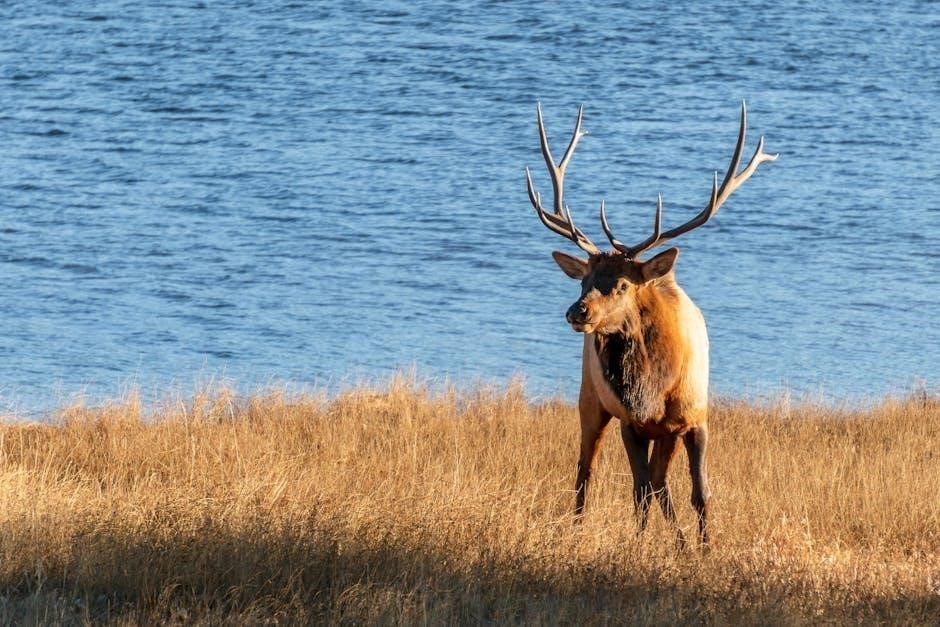
Types of Guided Elk Hunts and Their Costs
Guided elk hunts vary significantly in price, depending on the method and duration. Rifle hunts typically cost $5,000-$12,000, while archery and muzzleloader hunts can fluctuate based on demand and terrain.
Standard Rifle Hunts: Typical Pricing (2026)
In 2026, standard guided rifle elk hunts represent the most common and often most accessible option for hunters. Expect pricing to generally fall within the $5,000 to $12,000 range, though this can vary considerably based on location and outfitter quality.
Idaho often presents more affordable rifle hunts, potentially starting around $6,000, while Montana and Wyoming may average $7,000-$10,000. Colorado, due to its popularity, tends to be on the higher end, potentially exceeding $10,000. These costs typically include guiding services, lodging, and meals, but exclude tags and licenses.
Archery Elk Hunts: Cost Considerations
Guided archery elk hunts generally command a premium over rifle hunts, reflecting the increased difficulty and longer duration often associated with this method. Expect to budget between $6,000 and $9,000 for a typical guided archery hunt in 2026.
Idaho’s archery elk tag, while historically affordable, is projected to cost $913 in 2026. Additional costs include specialized archery equipment, potentially adding $1,000-$1,500 if starting from scratch. Success often hinges on meticulous preparation and physical conditioning, impacting overall expenses.
Black Powder/Muzzleloader Hunts: Budget-Friendly?
Black powder or muzzleloader elk hunts often present a more budget-conscious option, though savings aren’t always substantial. Typical costs range from $5,000 to $8,000 for a guided hunt, potentially lower than rifle or archery options.
The appeal lies in potentially less competition for tags and shorter seasons. However, specialized equipment – a muzzleloader rifle, powder, and accessories – can add $500-$1,000 to initial costs. Success demands proficiency with historical firearms, requiring dedicated practice.
Spot and Stalk Hunts: A More Affordable Approach
Spot and stalk hunts generally represent a more economical guided elk hunting style, often falling within the $4,500 to $7,500 price range. This method relies on the guide’s skill in locating elk and the hunter’s physical fitness for pursuing them on foot.
Reduced reliance on expensive equipment like tree stands or ATVs contributes to lower costs. However, success hinges on excellent glassing skills and stamina, demanding a higher level of hunter involvement and physical exertion.
Strategies for Reducing Costs
Smart planning can significantly lower elk hunt expenses. Hunting off-peak seasons, choosing less popular units, and DIY gear preparation are key.
Booking well in advance often secures better rates, maximizing your budget.
Hunting During Off-Peak Seasons
Consider hunting during the shoulder seasons – early or late in the elk hunting calendar – to potentially reduce costs. Outfitters often offer discounted rates when demand is lower, providing a more affordable experience. These periods may present unique hunting challenges, but can yield substantial savings.
Be aware that weather conditions can be more unpredictable during off-peak times, requiring appropriate gear and preparation. However, fewer hunters in the field can mean less competition and a greater chance of success, ultimately enhancing the value of your hunt despite the potential for tougher conditions.
Choosing Less Popular Units
Opting for elk hunting units with lower draw odds and less hunter traffic can significantly reduce overall costs. Outfitters frequently charge less for hunts in these areas due to decreased demand. While these units may not boast the largest elk populations, they often offer a more secluded and affordable hunting experience.
Research harvest statistics and elk distribution maps to identify units with reasonable elk numbers and a good chance of success. Remember that a less crowded hunt can improve your odds, even if trophy quality isn’t guaranteed, making it a smart budget-friendly choice.
DIY Preparation to Minimize Gear Costs
Reducing expenses before the hunt is crucial for affordability. Thorough DIY preparation can save substantial money on gear. Borrowing equipment from friends or family, or purchasing used items, are excellent starting points. Focus on essential gear first – a reliable rifle, appropriate clothing, and sturdy boots are paramount.
Practice shooting and physical conditioning well in advance to avoid last-minute, costly upgrades or needing emergency replacements. Proper preparation builds confidence and reduces the risk of unforeseen expenses during your guided elk hunt.
Booking Well in Advance for Better Rates
Securing your guided elk hunt well in advance often unlocks significant savings. Outfitters frequently offer early booking discounts to fill spots and manage their schedules. Planning a year or more ahead can result in lower rates compared to last-minute bookings.
This proactive approach also provides a wider selection of dates and hunt types. Consider booking during the off-season for even greater discounts. Early commitment demonstrates serious intent, potentially leading to favorable terms with the outfitter.
Hidden Costs to Be Aware Of
Beyond the initial hunt price, anticipate expenses like meat processing, taxidermy, and guide gratuities.
Unexpected travel costs and shipping fees for harvested elk can also add up quickly.
Meat Processing and Transportation
Properly handling harvested elk meat is crucial, and processing fees can vary significantly. Expect to pay between $0.75 to $1.50 per pound for field dressing, cutting, wrapping, and freezing. Transportation of the meat from the field to the processor, and then to your home, represents another cost.
If flying home, shipping can be expensive, potentially exceeding $300-$500, depending on weight and distance. Consider if the outfitter offers processing services or has relationships with local butchers to potentially reduce costs. Always factor these expenses into your overall budget.
Taxidermy Costs (If Applicable)
For hunters wishing to preserve a trophy elk, taxidermy represents a significant, yet often overlooked, expense. A basic shoulder mount can range from $600 to $1,500, depending on the taxidermist’s skill, location, and the complexity of the mount. Additional costs may include crating and shipping.
Consider the potential for additional charges for pedestal mounts or life-size sculptures. Factor in the time required for the process, which can take several months to over a year. Carefully weigh the sentimental value against the financial commitment.
Gratuities for Guides and Outfitters
Showing appreciation for exceptional service is customary in the hunting industry, and gratuities for guides and outfitters should be factored into your budget. A standard tip for a guide is typically 10-20% of the total hunt cost, depending on the quality of the experience and the guide’s effort.
Consider tipping outfitters as well, particularly if they provided excellent logistical support. Cash is generally preferred, allowing the guide or outfitter immediate access to the funds. Remember, a generous tip reflects a successful and enjoyable hunt.
Unexpected Travel Expenses
Travel to and from your elk hunt is rarely without potential for unforeseen costs. Flight delays or cancellations can necessitate unplanned hotel stays and rebooking fees. Vehicle breakdowns, especially in remote areas, may require towing and repair expenses.
Always budget a contingency fund for these possibilities. Consider travel insurance to mitigate some of these risks. Allow extra funds for fuel price fluctuations and potential changes in travel routes. Being prepared minimizes stress and keeps your hunt on track.

Comparing Outfitters and Packages
Selecting the right outfitter is crucial. Prioritize those with strong reputations, positive reviews, and transparent pricing. Carefully examine package inclusions –
what’s covered, and what isn’t?
Don’t hesitate to ask detailed questions before committing, ensuring the hunt aligns with your budget and expectations.
What to Look for in a Reputable Outfitter
A trustworthy outfitter is paramount for a successful and ethical elk hunt. Look for established businesses with years of experience, demonstrating a consistent track record. Verify proper licensing and insurance, ensuring legal operation and hunter protection.
Seek out outfitters offering clear contracts detailing all costs and services. Positive testimonials and references from previous clients are invaluable. Prioritize those committed to fair chase principles and wildlife conservation. Inquire about guide-to-hunter ratios – smaller ratios often mean more personalized attention.
Understanding What’s Included in the Package
Carefully dissecting the hunt package is crucial to avoid hidden costs. Confirm whether the package includes elk tags and licenses, as these represent a significant expense. Determine if meals and lodging are provided, and the quality of accommodations.
Clarify transportation details – is airport pickup and transport to the hunting area included? Understand what’s covered regarding field dressing and meat care. Inquire about the availability of hunting equipment rentals, if needed, and associated fees.
Reading Reviews and Testimonials
Scrutinizing reviews and testimonials offers invaluable insights into an outfitter’s reputation and service quality. Seek out independent platforms, beyond the outfitter’s website, for unbiased opinions. Pay attention to recurring themes – consistent praise or complaints are significant indicators.
Look for details regarding success rates, guide professionalism, and camp conditions. Consider the source; verified hunter experiences carry more weight. Don’t dismiss negative reviews entirely, but assess their context and frequency.
Asking the Right Questions Before Booking
Thorough questioning is crucial before committing to a hunt. Inquire about the outfitter’s experience specifically with elk, and their success rates in recent seasons. Clarify what’s included in the package – meals, lodging, transportation, and field dressing are key considerations.
Don’t hesitate to ask about hidden costs, like meat processing or gratuities; Understand the guide-to-hunter ratio and the physical demands of the hunt. Confirm licensing requirements and the outfitter’s assistance with obtaining necessary permits.
Budget Breakdown Examples
Here are illustrative cost ranges for different hunt scenarios: Idaho rifle hunts can start around $5,000, Montana archery around $6,000, and Wyoming options from $4,000.
These estimates include outfitter fees, tags, and basic expenses, but exclude travel and personal gear, which vary significantly.
Example 1: Basic Rifle Hunt in Idaho ($5,000 ⎼ $7,000)
A fundamental rifle hunt in Idaho represents a cost-effective entry point, typically falling between $5,000 and $7,000. This budget generally encompasses a 5-day hunt with a reputable outfitter, covering guiding services and access to private or public land.
The Idaho elk tag for non-residents currently costs $586 for archery, but is projected to increase to $913 in the near future, impacting overall costs. Expect to allocate around $2,500 ⎻ $3,500 for the outfitter, with the remainder covering lodging, meals, and potential meat processing fees.
Transportation to Idaho and back is a separate expense, and hunters should factor in approximately $500 ⎻ $1,000 for flights or fuel. This example assumes minimal additional gear purchases.
Example 2: Archery Hunt in Montana ($6,000 ⎻ $9,000)
Montana archery elk hunts typically range from $6,000 to $9,000, offering a challenging yet rewarding experience. This price point usually includes five to seven days of guided hunting, access to quality elk habitat, and field dressing services.
Expect to spend roughly $2,800 ⎻ $4,000 on outfitter fees, with the remaining funds allocated to lodging, meals, and potential trophy care. Hunters already possessing archery equipment can minimize costs, while beginners may face an additional $500 ⎼ $1,500 investment.
Travel expenses to Montana should be budgeted at $600 ⎻ $1,200, depending on the origin and mode of transportation.
Example 3: Budget-Conscious Hunt in Wyoming ($4,000 ⎼ $6,000)
Wyoming presents a viable option for a budget-conscious elk hunt, generally falling between $4,000 and $6,000. This typically covers a four to six-day hunt with a reputable outfitter, focusing on public land access to reduce permit costs.
Outfitter fees may range from $2,000 to $3,000, while elk tag costs can be around $300-$700 for non-residents. Accommodation is often in basic camps, keeping lodging expenses lower.
Transportation and meals will likely add $800 ⎼ $1,500 to the total, making careful planning essential for staying within budget.
The Value of a Guided Hunt
Guided elk hunts significantly increase success rates, leveraging expert knowledge of elk behavior and habitat.
Experienced guides provide crucial safety and navigation assistance, enhancing the overall hunting experience.
Increased Success Rates
One of the most compelling benefits of a guided elk hunt is the dramatically improved chance of harvesting an animal. While DIY hunts offer independence, they often lack the intimate knowledge that seasoned guides possess. Guides intimately understand elk movement patterns, preferred feeding areas, and effective hunting strategies within specific terrains.
This expertise translates directly into higher success rates, particularly for non-resident hunters unfamiliar with the landscape. Experienced outfitters scout areas extensively before the hunt, maximizing opportunities for clients. They can quickly adapt to changing conditions and employ tactics that increase the likelihood of a successful outcome, making the investment worthwhile.
Expert Knowledge of Elk Behavior and Habitat
Guided elk hunts provide access to invaluable expertise regarding elk behavior and their preferred habitats. Outfitters and guides dedicate countless hours scouting and observing elk throughout the year, gaining a deep understanding of their routines. They know where elk feed, bed down, and travel, especially during different seasons and weather conditions.
This knowledge extends to recognizing subtle signs of elk presence, such as tracks, rubs, and wallows. Guides can interpret these clues to pinpoint elk locations and predict their movements, significantly increasing hunting efficiency. Their understanding of terrain and vegetation further enhances their ability to locate and pursue elk effectively.
Safety and Navigation Assistance
Guided elk hunts prioritize hunter safety, especially in remote and challenging terrain. Experienced guides are proficient in wilderness first aid and carry essential safety equipment, mitigating risks associated with navigating unfamiliar landscapes. They are adept at handling potential emergencies, from minor injuries to unexpected weather changes.
Guides also excel at navigation, utilizing maps, GPS devices, and their intimate knowledge of the area to ensure hunters remain oriented and avoid getting lost. This is particularly crucial in vast, mountainous regions where visibility can be limited. Their expertise provides peace of mind, allowing hunters to focus on the hunt itself.
Resources for Finding Affordable Hunts
Explore online hunting forums, outfitter directories (like Western Obsession TV), and state wildlife agencies (GOHUNT) to discover cost-effective elk hunting opportunities.
Online Hunting Forums and Communities
Hunting forums, such as those found on Reddit (r/bowhunting), are invaluable resources for gathering firsthand accounts of hunt costs and outfitter recommendations.
Experienced elk hunters frequently share detailed breakdowns of their expenses, including tags, travel, gear, and meals, offering realistic budget expectations.
These communities provide a platform to ask specific questions, compare experiences with different outfitters, and uncover hidden costs often overlooked in initial estimates.
Active participation can yield valuable insights and potentially connect you with hunters willing to share leads on affordable hunts.
Outfitter Directories and Websites
Numerous online directories specialize in listing guided hunt outfitters, streamlining the search process for affordable elk hunts.
Websites like Western Obsession TV and GOHUNT provide comprehensive listings, often including pricing information, hunt details, and outfitter profiles.
These platforms allow hunters to filter searches based on state, hunt type, and budget, facilitating comparisons between different packages.
Carefully reviewing outfitter websites and utilizing directory features is crucial for identifying potential value and ensuring a reputable experience.
State Wildlife Agencies
Each state’s wildlife agency is a vital resource for information regarding elk hunting regulations, tag availability, and associated fees.
Websites for agencies in Idaho, Montana, Wyoming, Colorado, and New Mexico provide detailed information on draw processes and license costs.
Understanding these regulations is crucial for planning an affordable hunt, as tag prices can significantly impact overall expenses.
These agencies often offer online applications and resources to help hunters navigate the licensing requirements effectively.